
 By James John
Introduction
The Internet is no longer just a tool for communication—it has become the foundation of global influence, shaping economies, governments, and societies. As nations and corporations compete for control over digital infrastructure, a new concept has emerged at the heart of modern geopolitics: data sovereignty. Unlike traditional resources, data transcends borders, regulations, and political systems, making it the most valuable and contested asset of the digital age.
The power to control, regulate, and access data now determines the strategic standing of nations. The Internet’s invisible architecture—its cables, servers, and clouds—is where the next era of power struggles unfolds. Understanding how this digital battlefield operates reveals how the Internet is redefining sovereignty, security, and global order.
The Evolution of Digital Sovereignty
Digital sovereignty refers to a nation’s authority to govern its data, infrastructure, and digital assets within its borders. However, in an interconnected Internet ecosystem, sovereignty becomes complicated. Data doesn’t recognize geography; it flows through international servers, often managed by foreign corporations. This means countries relying on external cloud or network providers risk losing control over sensitive national information.
Nations are realizing that economic growth, defense, and even cultural identity depend on protecting digital autonomy. The result is a global movement toward technological independence, where states are redefining policies to ensure that their data remains within national jurisdiction. This shift is reshaping everything from trade laws to how governments build Internet infrastructure.
From Globalization to Digital Fragmentation
The early Internet was built on the promise of global connectivity—a borderless network of ideas and commerce. Yet, as technology matured, that ideal began to fracture. Nations started asserting control over their digital spaces, creating what experts now call the “Splinternet”—a divided Internet governed by competing national interests.
-
China’s Internet sovereignty model is a prime example, with its Great Firewall enforcing strict control over data, information flow, and technology imports.
-
The European Union champions privacy-first governance through laws like the General Data Protection Regulation (GDPR), focusing on user rights and ethical data use.
-
The United States continues to promote open data markets but uses technological dominance to influence global infrastructure through its tech giants like Google, Microsoft, and Amazon.
This fragmentation signals the end of a globally unified Internet. Instead, the world is entering an era of regionalized digital ecosystems, where data policies, laws, and values differ sharply from one region to another.
The Internet’s Hidden Power: Infrastructure Control
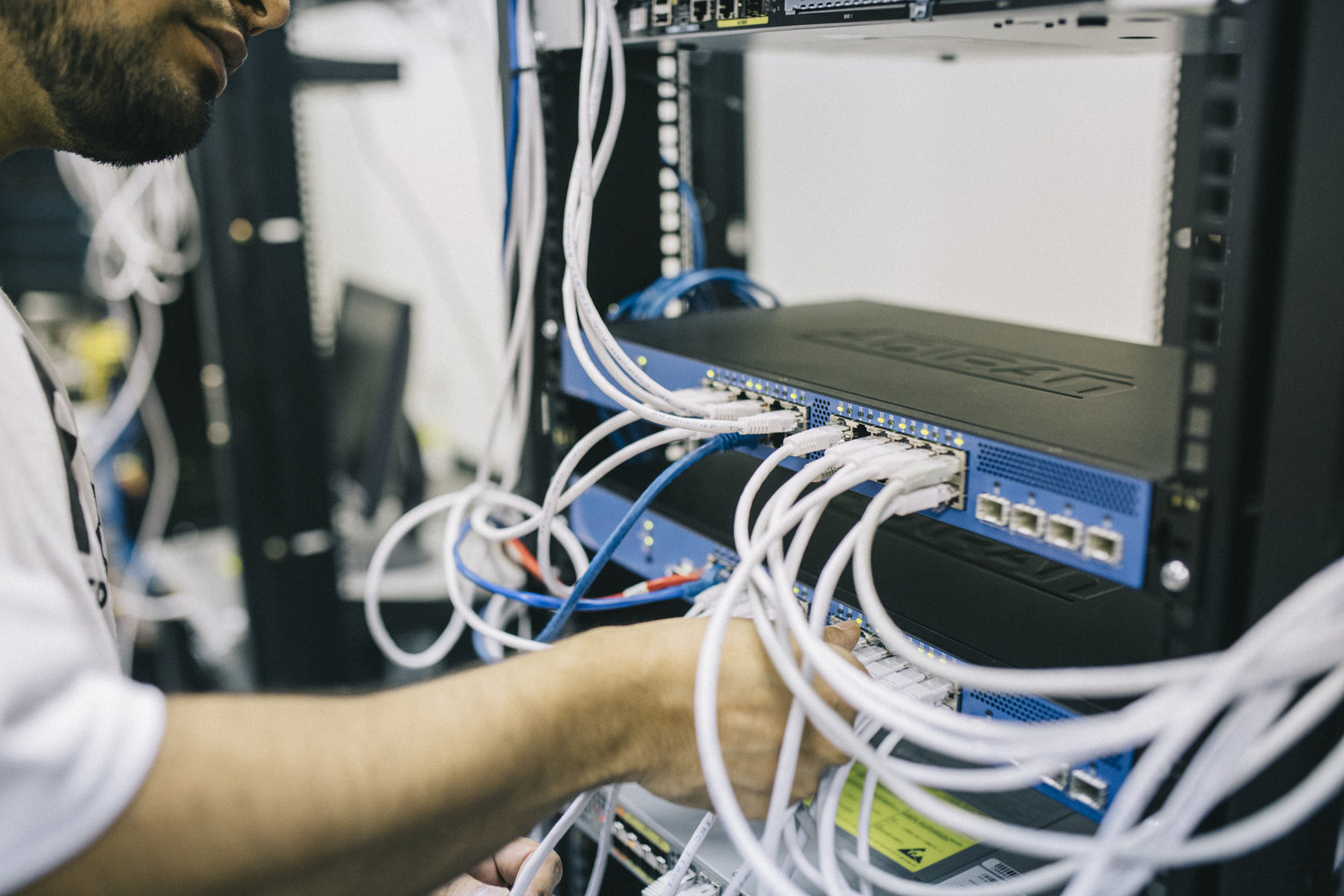
While most people associate the Internet with apps and websites, its real power lies in its physical infrastructure—the network of undersea cables, satellites, and data centers that enable connectivity. These are the arteries of the global Internet, carrying nearly all digital communication between continents.
-
Undersea cables carry about 95% of international data traffic, yet they are often owned by private corporations rather than governments. Control over these cables equates to control over information flow.
-
Data centers are now considered strategic assets. Their location determines which jurisdiction governs the data stored within. Countries like Norway, Singapore, and the UAE are investing heavily in domestic data centers to secure their digital futures.
-
Satellite networks and emerging low-orbit systems, such as Starlink, are introducing new dimensions of Internet governance by decentralizing access—but also raising questions about who regulates data transmitted through space.
The battle for Internet infrastructure is, therefore, a battle for global dominance. It decides not only who owns the data but also who can access, manipulate, or restrict it.
The Corporate State: Tech Giants as Sovereign Powers
The world’s most powerful tech corporations have become digital nations of their own. Companies like Google, Meta, Amazon, and Apple manage more personal data than any government in history. Their decisions on algorithms, content moderation, and data policies influence political discourse, consumer behavior, and even election outcomes.
These companies function as sovereign digital entities, shaping laws and global norms through lobbying, innovation, and infrastructure control. For example, when a major tech firm refuses to comply with a national data regulation, it often leads to international disputes, highlighting the blurred lines between state and corporate sovereignty.
The rise of corporate data empires poses critical questions about accountability. Should tech giants adhere to national laws, or do they operate as global entities beyond jurisdiction? This tension defines much of today’s Internet governance debate.
Cybersecurity and Digital Warfare
In the digital era, cybersecurity is national security. Governments now recognize that Internet infrastructure is as vital as airspace or borders. State-sponsored cyberattacks, disinformation campaigns, and ransomware operations have become tools of modern warfare.
Nations are investing heavily in cyber defense units, developing strategies to protect data integrity and communication systems. However, because much of the Internet’s infrastructure is privately owned, public-private collaboration has become essential. The boundaries between civilian and military data operations are increasingly blurred, giving rise to a new form of hybrid conflict where code, not bullets, can paralyze economies.
The Future of Internet Governance
The race for digital dominance is accelerating. Emerging technologies such as AI, quantum computing, and 6G will further intensify debates about Internet governance and data ownership. Quantum encryption could redefine cybersecurity, while AI-driven data processing raises ethical and regulatory dilemmas about privacy and autonomy.
To navigate these challenges, international collaboration is essential. However, achieving consensus in a fragmented Internet environment is difficult. Without coordinated regulation, the world risks drifting into digital feudalism, where a few powerful nations and corporations control the majority of data, leaving smaller states dependent and vulnerable.
The Path Forward: Building a Balanced Digital Future
A sustainable Internet future requires balance between openness and sovereignty. Nations must protect their citizens’ data without isolating themselves from global innovation. Transparency in data governance, ethical AI development, and equitable infrastructure investment will be key.
Multilateral frameworks—such as digital trade agreements and cross-border data accords—can help bridge divides and foster cooperation. The Internet’s future should not be a battlefield of control but a collaborative network of shared progress built on trust, privacy, and accountability.
FAQs
1. What is data sovereignty, and why is it important?
Data sovereignty refers to the right of a nation to control data generated within its borders. It is vital for protecting privacy, ensuring security, and maintaining national independence in the digital world.
2. How does digital sovereignty differ from Internet freedom?
Internet freedom emphasizes open access and global connectivity, while digital sovereignty focuses on national control and regulation of data and technology within borders.
3. What is the “Splinternet,” and why does it matter?
The Splinternet describes the fragmentation of the Internet into regional or national networks, each governed by distinct laws and ideologies. It threatens the global unity of the Internet.
4. How do tech corporations influence Internet governance?
Tech giants hold massive amounts of user data and control digital infrastructure, giving them the power to shape global Internet policies, influence governments, and impact user privacy.
5. Why are undersea cables so critical to the Internet?
Undersea cables transmit nearly all global data traffic. Control over them determines access to information, making them key assets in global communication and security.
6. What role does cybersecurity play in digital sovereignty?
Cybersecurity ensures that data and digital infrastructure are protected from breaches and attacks, forming the foundation of national security in the digital era.
7. What can countries do to achieve digital sovereignty without isolation?
Countries can invest in local data centers, support domestic tech innovation, and participate in international frameworks that balance privacy, security, and collaboration.