 By James John
We schedule dental check-ups, we visit the doctor for our annual physicals, and we even remember to get our cars serviced. But how often do we think about getting our eyes checked, especially if our vision feels “fine”? Here’s the thing: regular eye tests are so much more than just figuring out if you need new glasses. They are a critical, non-negotiable part of your overall health care, acting as an early warning system for everything from vision-threatening diseases to serious systemic health issues. Ignoring them is like driving with a “check engine” light on – you might get by for a while, but you’re risking a breakdown down the road.
Let’s break down why those routine visits to the optician are absolute must-dos:
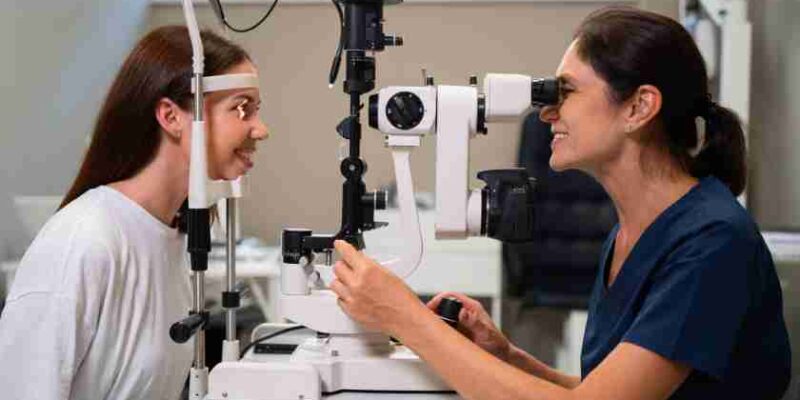
- Catching Vision Problems Early (and Keeping Them from Getting Worse): This is the most obvious reason, but it’s still vital. Our vision often changes subtly over time, so gradually that we might not even notice. An eye test can pinpoint:
- Refractive Errors: Myopia (nearsightedness), hyperopia (farsightedness), and astigmatism. Correcting these with glasses or contact lenses can dramatically improve your quality of life, reducing headaches, eye strain, and general fatigue. For kids, catching these early is especially important as uncorrected vision problems can impact learning and development.
- Presbyopia: That frustrating age-related farsightedness that makes reading menus a nightmare. An eye test will help you find the right reading glasses or multifocal lenses.
Left uncorrected, even seemingly minor vision issues can lead to chronic headaches, eye strain, difficulty concentrating, and even safety hazards (like driving at night).
- Detecting Silent Eye Diseases Before They Steal Your Sight: This is where eye tests truly become lifesavers. Many serious eye conditions develop slowly, with no pain or obvious symptoms in their early, treatable stages. An optometrist is trained to spot these silent threats:
- Glaucoma: Often called the “silent thief of sight,” glaucoma damages the optic nerve and can lead to irreversible vision loss. Early detection, often through measuring eye pressure and examining the optic nerve, is crucial for managing the condition and preserving vision. You might not notice it until significant vision has already been lost.
- Macular Degeneration (AMD): A leading cause of vision loss in older adults, AMD affects central vision, making it hard to read, recognize faces, or see fine details. Regular eye exams can detect early signs, allowing for interventions that can slow its progression.
- Diabetic Retinopathy: If you have diabetes, even if it’s well-managed, your eyes are at risk. High blood sugar can damage the blood vessels in the retina, leading to vision loss. An optometrist can detect these changes before you notice symptoms, often helping to prevent blindness.
- Cataracts: While often associated with aging, cataracts (clouding of the eye’s natural lens) can be exacerbated by UV exposure and certain lifestyle factors. Eye exams track their development and determine when surgery might be beneficial.
- Your Eyes as a Window to Your Overall Health: Believe it or not, your eyes can offer incredible insights into your general health. Optometrists can detect early signs of:
- Diabetes: Changes in the blood vessels of the retina.
- High Blood Pressure: Narrowing or damage to retinal blood vessels.
- High Cholesterol: Yellowish deposits in the cornea or blockages in retinal blood vessels.
- Autoimmune Diseases: Inflammation in the eye can be a symptom.
- Even certain brain tumors or strokes: Pressure on the optic nerve or changes in the retina can be indicative.
An eye test isn’t just about your vision; it’s a non-invasive check-up for your whole body, potentially catching serious conditions long before other symptoms appear.
- Ensuring Optimal Vision for Daily Life: Whether you’re driving, working on a computer, enjoying hobbies, or simply navigating the world, clear and comfortable vision is fundamental. Regular tests ensure your prescription is up-to-date, minimizing eye strain, fatigue, and even headaches. For kids, clear vision is directly linked to academic performance and participation in sports.
How often should you go?
The general recommendation is:
- Children (6-17): Annually, or as recommended by an eye care professional, especially if there are risk factors or symptoms.
- Adults (18-64): Every one to two years, depending on risk factors (e.g., family history of eye disease, certain medical conditions).
- Seniors (65+): Annually, due to increased risk of age-related eye conditions.
Don’t wait for symptoms. By the time you notice changes in your vision, significant damage might have already occurred. Think of your eye test as a proactive measure, a powerful tool in your personal health arsenal. It’s a small investment of time that can make a monumental difference in preserving your precious sight and contributing to your overall well-being. So go ahead, book that appointment – your future self (and your eyes!) will thank you.