 By James John
In industrial operations, equipment must be built to withstand demanding conditions while maintaining efficiency and reliability. Among the many components that keep machinery running smoothly, sprockets play an essential role in power transmission systems. Heavy-duty sprocket products are specifically designed to handle high torque, significant loads, and continuous operation, making them indispensable in industries such as construction, mining, agriculture, and manufacturing. Choosing the right heavy-duty sprocket products not only extends equipment lifespan but also improves overall productivity by ensuring consistent performance under challenging circumstances.
Understanding the Importance of Heavy-Duty Sprockets
Sprockets are vital components that work in tandem with chains to transmit rotary motion and power between shafts. In heavy-duty applications, the demands placed on these parts are far greater than those in standard systems. Heavy-duty sprocket products are engineered with enhanced durability, stronger materials, and precise designs to prevent premature wear and failure.
Industries rely on heavy-duty sprockets to keep machinery operating efficiently in environments where downtime can result in significant financial losses. For instance, mining equipment often works around the clock under abrasive conditions. A heavy-duty sprocket ensures that chains remain properly aligned and capable of transmitting power without slipping or breaking. This level of performance is critical to maintaining operational schedules and avoiding costly interruptions.
Another important aspect is safety. Faulty or worn sprockets can cause unexpected breakdowns, leading to accidents or injuries. By investing in heavy-duty sprocket products, companies prioritize not only performance but also the well-being of their workforce.
Materials and Design for Long-Lasting Performance
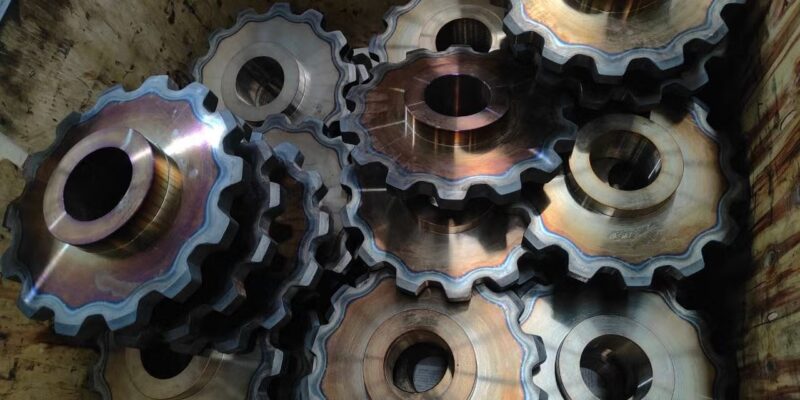
One of the defining features of heavy-duty sprockets is the use of robust materials. Many are manufactured from high-grade steel, hardened alloys, or specialized composites that resist corrosion, wear, and deformation. Heat treatment processes further strengthen these sprockets, enhancing their resistance to fatigue in high-stress applications.
The design also plays a crucial role. Heavy-duty sprocket products often feature thicker teeth, reinforced hubs, and optimized profiles to ensure smoother chain engagement. These design elements reduce friction, distribute load evenly, and minimize stress points, thereby extending the life of both the sprocket and the chain. Some sprockets are also custom-engineered to suit specific machinery, offering tailored solutions that maximize efficiency.
Industrial Applications of Heavy-Duty Sprocket Products
Heavy-duty sprocket products are utilized across a wide range of industries due to their ability to handle extreme conditions and provide reliable power transmission.
In construction, heavy machinery such as excavators, bulldozers, and cranes rely on sprockets for movement and lifting functions. The sprockets in these machines endure constant stress, making durability a top priority. Similarly, in mining operations, conveyor systems and drilling machines use heavy-duty sprockets to maintain steady performance despite the presence of dust, debris, and abrasive materials.
Agriculture also benefits from these products, with sprockets powering harvesters, tractors, and other farming equipment. In these settings, reliability is vital during peak seasons when equipment must operate continuously without failure. Manufacturing plants depend on heavy-duty sprockets as well, particularly in assembly lines and automated systems where downtime can severely impact productivity.
Customization for Industry-Specific Needs
While standard sprockets serve many purposes, some industries require customized solutions. A tile manufacturing facility, for example, may need sprockets that withstand high heat, while a food processing plant may demand sprockets made from stainless steel to meet hygiene standards. Heavy-duty sprocket products can be tailored to these specific requirements, ensuring that performance, safety, and compliance are maintained.
Customization options often include adjustments in size, pitch, number of teeth, and hub configuration. This flexibility allows companies to work with suppliers and manufacturers to design sprockets that integrate seamlessly with existing machinery while addressing the unique challenges of their industry.
Selecting the Right Heavy-Duty Sprocket Products
Choosing the correct sprocket for industrial applications requires careful consideration of several factors. Load capacity, operational environment, and compatibility with existing systems are among the most important. Partnering with a reliable supplier or manufacturer ensures access to high-quality sprockets that meet performance standards and industry regulations.
A professional supplier provides more than just products—they also offer technical expertise. By analyzing machinery specifications and operational demands, they can recommend sprockets with the right materials, designs, and configurations. This level of support helps companies avoid premature failures and unnecessary expenses.
Maintenance and Longevity
Even the best heavy-duty sprocket products require proper maintenance to perform at their peak. Regular inspections help identify wear patterns, misalignment, or damage that could compromise efficiency. Proper lubrication is also essential, as it reduces friction and prevents overheating, which can weaken sprocket teeth over time.
Replacing worn sprockets before they fail completely is another important maintenance practice. Continuing to use damaged sprockets can cause chain breakage, misalignment, or further damage to surrounding components. By investing in regular maintenance, companies extend the life of both sprockets and chains, ensuring uninterrupted operation.